Defining the Essence of Asemic Art: Asemic Art Insights
- 6 days ago
- 4 min read
Imagine standing before a canvas that speaks a language you don’t quite understand, yet somehow, it whispers secrets directly to your soul. That’s the magic of asemic art—a form of expression that defies traditional meaning and invites you to explore the uncharted territories of your imagination. If you’ve ever been captivated by abstract, spiritual, or outsider art, you’re in for a treat. Let’s dive into the world of asemic art insights and uncover what makes this genre so uniquely compelling.
Unlocking the Mystery: Asemic Art Insights
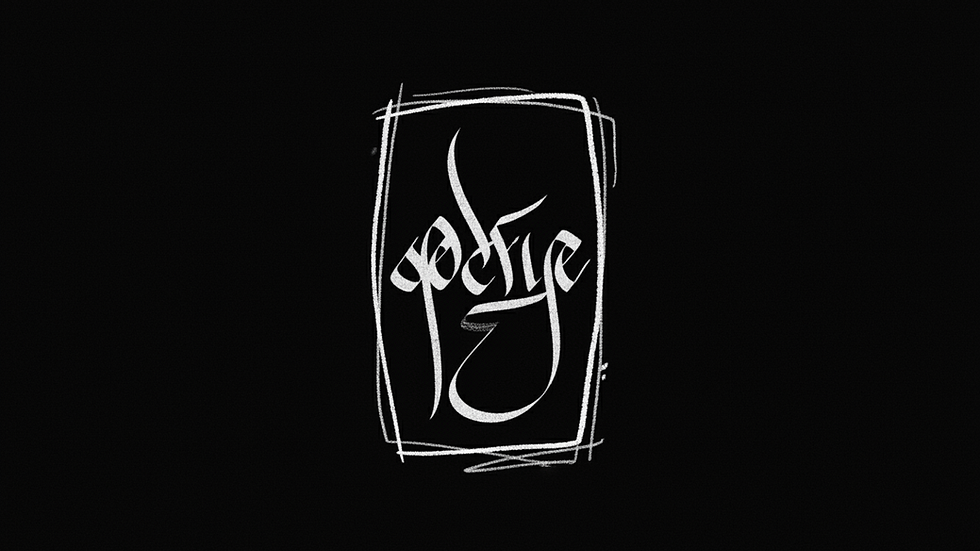
You might be wondering, what exactly is asemic art? At its core, it’s a form of visual expression that resembles writing but carries no specific semantic content. Think of it as the art of “writing without words.” It’s like a secret code that doesn’t need decoding because it’s meant to be felt, not read. This art form blurs the lines between language and image, inviting you to interpret it freely.
Asemic art often features flowing lines, abstract shapes, and calligraphic marks that mimic handwriting or script. But here’s the twist: none of these marks correspond to any known language. Instead, they evoke emotions, memories, or even spiritual experiences. It’s a playground for your mind, where you get to create your own narrative.
If you’re a collector or an enthusiast of modern and abstract art, asemic art offers a fresh perspective. It challenges you to engage with art on a deeply personal level, beyond the constraints of words or symbols. And for artists, it’s a liberating way to express the ineffable.
The Visual Language of Asemic Art
Let’s talk about the visual language that makes asemic art so intriguing. Unlike traditional art forms that rely on recognizable imagery or text, asemic art thrives on ambiguity. It’s like a dance of lines and shapes that don’t follow grammar or syntax but still communicate something profound.
You might see swirling loops, jagged edges, or delicate dots that resemble punctuation marks. These elements come together to form compositions that feel alive and dynamic. The beauty lies in their openness—there’s no right or wrong way to interpret them.
For example, an asemic piece might remind you of ancient manuscripts, yet it’s entirely new and original. Or it could evoke the feeling of a handwritten letter from a distant friend, filled with emotion but no clear message. This ambiguity invites you to slow down, observe, and let your imagination roam free.
If you’re considering adding an original abstract painting to your collection, look for pieces that embody this sense of mystery and openness. They tend to resonate deeply and become conversation starters in any space.
How to Appreciate and Collect Asemic Art
Now that you’re familiar with asemic art, how do you approach it as a collector or admirer? Here are some practical tips to deepen your appreciation and make informed choices:
Engage Emotionally: Don’t rush to “understand” the piece. Instead, notice how it makes you feel. Does it evoke calm, curiosity, or excitement? Your emotional response is your personal key to the artwork.
Observe Details: Look closely at the brushstrokes, textures, and composition. The artist’s hand is often visible in the marks, revealing their process and intention.
Consider the Medium: Asemic art can be created with ink, paint, digital tools, or mixed media. Each medium adds a different texture and depth to the work.
Ask Questions: If possible, learn about the artist’s background and inspiration. Many asemic artists explore themes like spirituality, subconscious thoughts, or linguistic experimentation.
Display Thoughtfully: Because asemic art invites contemplation, place it where you can spend time with it—your study, living room, or creative space.
Invest in Originals: Original paintings carry the artist’s unique energy and presence. They’re not just decorative but living expressions that grow with your understanding.
By following these steps, you’ll not only enrich your collection but also cultivate a deeper connection with the art itself.
The Healing Power of Asemic Art
Here’s a fascinating angle you might not have considered: asemic art can have therapeutic benefits. Its abstract, nonverbal nature taps into parts of your brain that process emotions and intuition rather than logic. This makes it a powerful tool for mindfulness and emotional healing.
Imagine spending a quiet afternoon with an asemic painting. As you gaze at the flowing lines and shapes, your mind slows down. You’re not trying to decode or analyze; you’re simply experiencing. This can reduce stress, spark creativity, and even help you access buried feelings.
Artists themselves often use asemic art as a form of self-expression and catharsis. The act of creating marks without rules can be liberating, allowing subconscious thoughts to surface. If you’re drawn to spiritual or outsider art, you might find asemic art resonates with your own journey of self-discovery.
Bringing Asemic Art Into Your Space
If you’re ready to bring the essence of asemic art into your home or office, here are some ideas to make the most of it:
Create a Focal Point: Choose a large, original piece that commands attention. Its mysterious beauty will invite guests to pause and ponder.
Use Lighting Wisely: Soft, directional lighting can enhance the textures and shadows in the artwork, adding depth.
Incorporate into Meditation Areas: Asemic art is uniquely valuable to the practices of contemplation and meditation. Consider placing the piece where you meditate or practice mindfulness to deepen your experience.
Remember, the goal is to create an environment that nurtures your creativity and emotional well-being. Asemic art, with its open-ended language, is a perfect companion for that.
Your Next Step: Exploring Asemic Art
Now that you’ve glimpsed the essence of asemic art, why not explore it further? Whether you’re browsing galleries, attending art fairs, or connecting with emerging artists online, keep an eye out for pieces that speak to you beyond words.
If you want to dive deeper, check out this asemic art resource for more insights and examples. Remember, collecting art is a journey, not a destination. Each piece you choose adds a new chapter to your story.
So go ahead - let your walls tell a story that only you can understand. After all, isn’t that the true magic of art?
Happy collecting, and may your art-filled spaces bring you inspiration and transformation!


Comments